
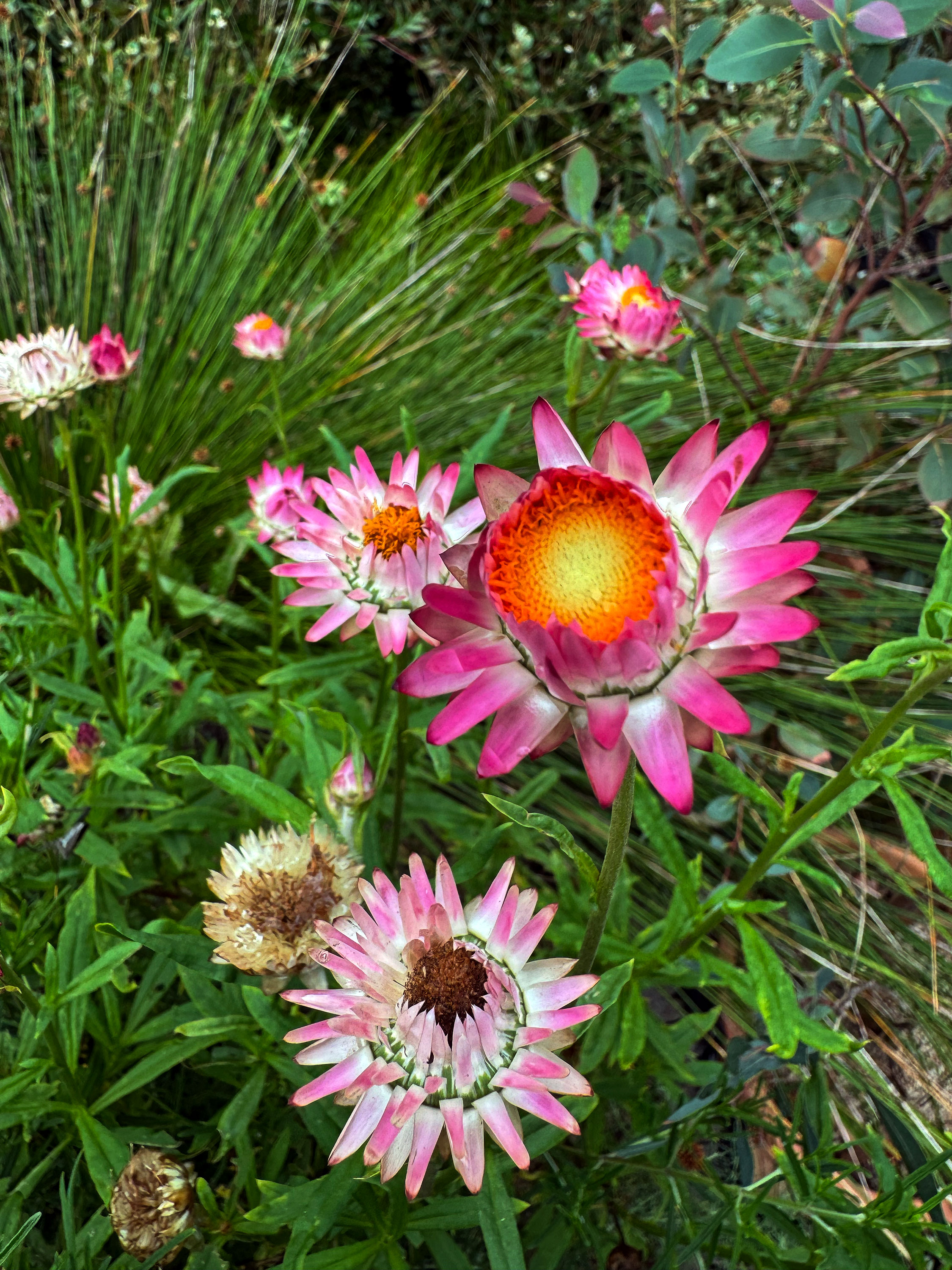
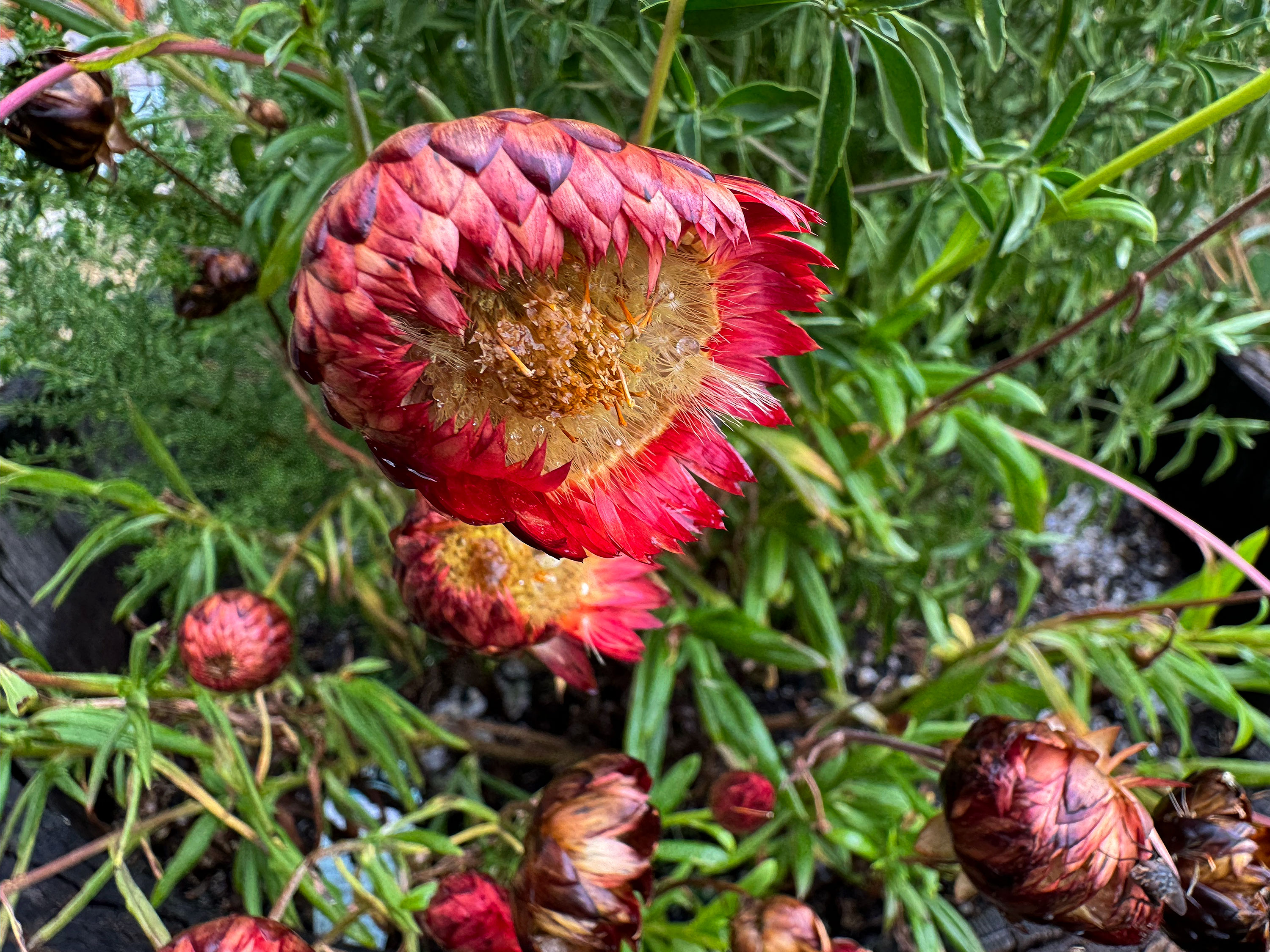
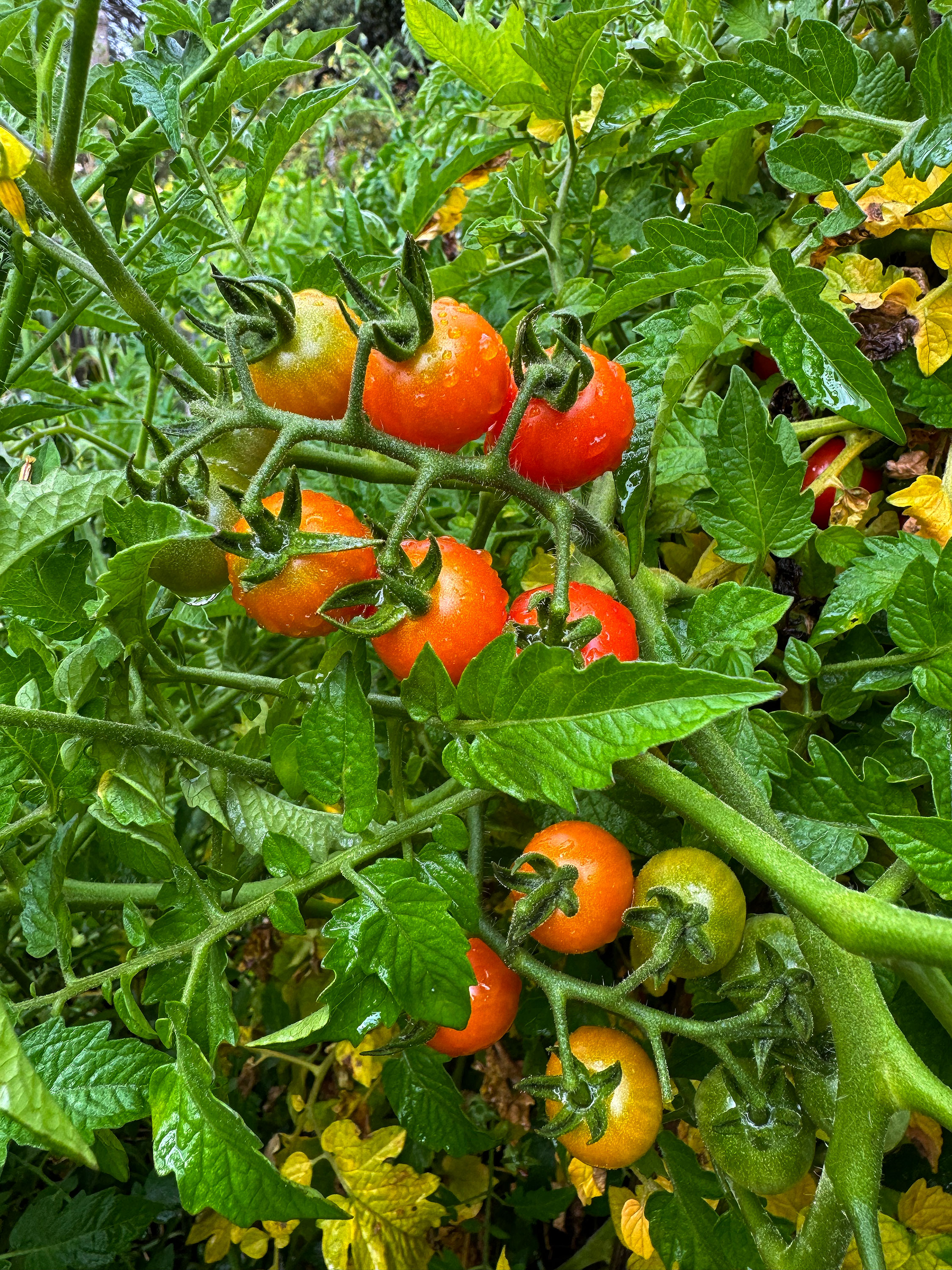
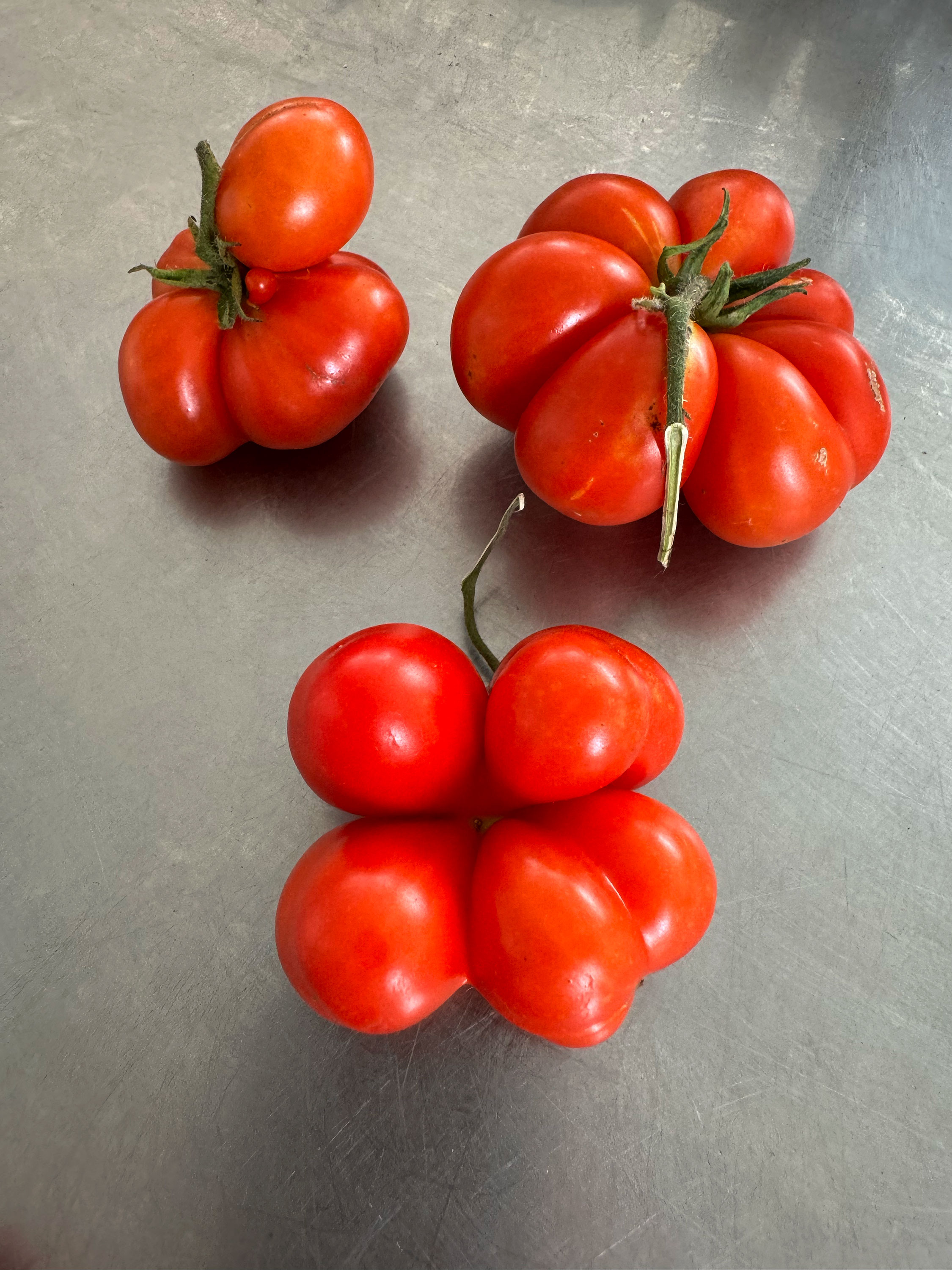
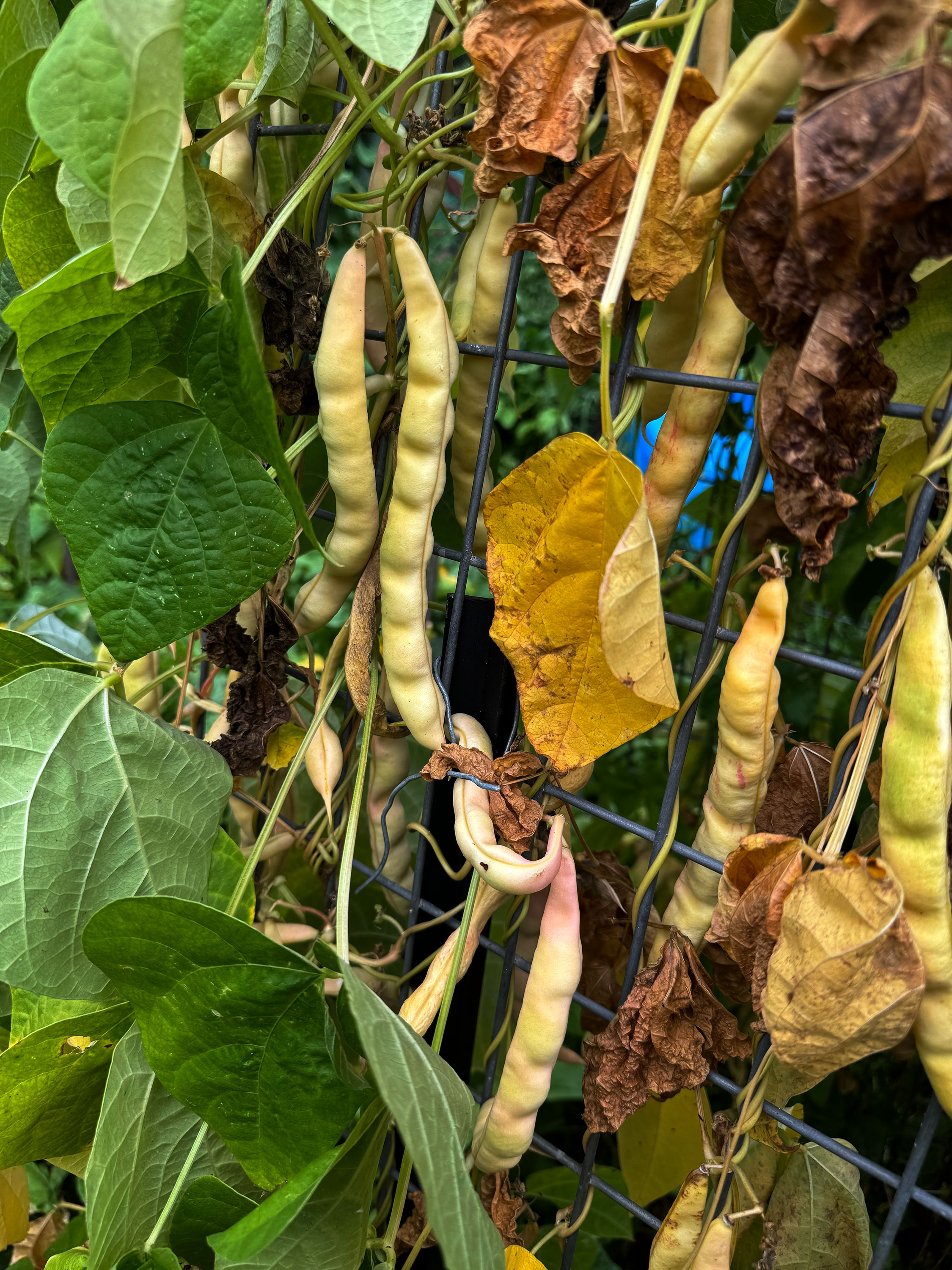
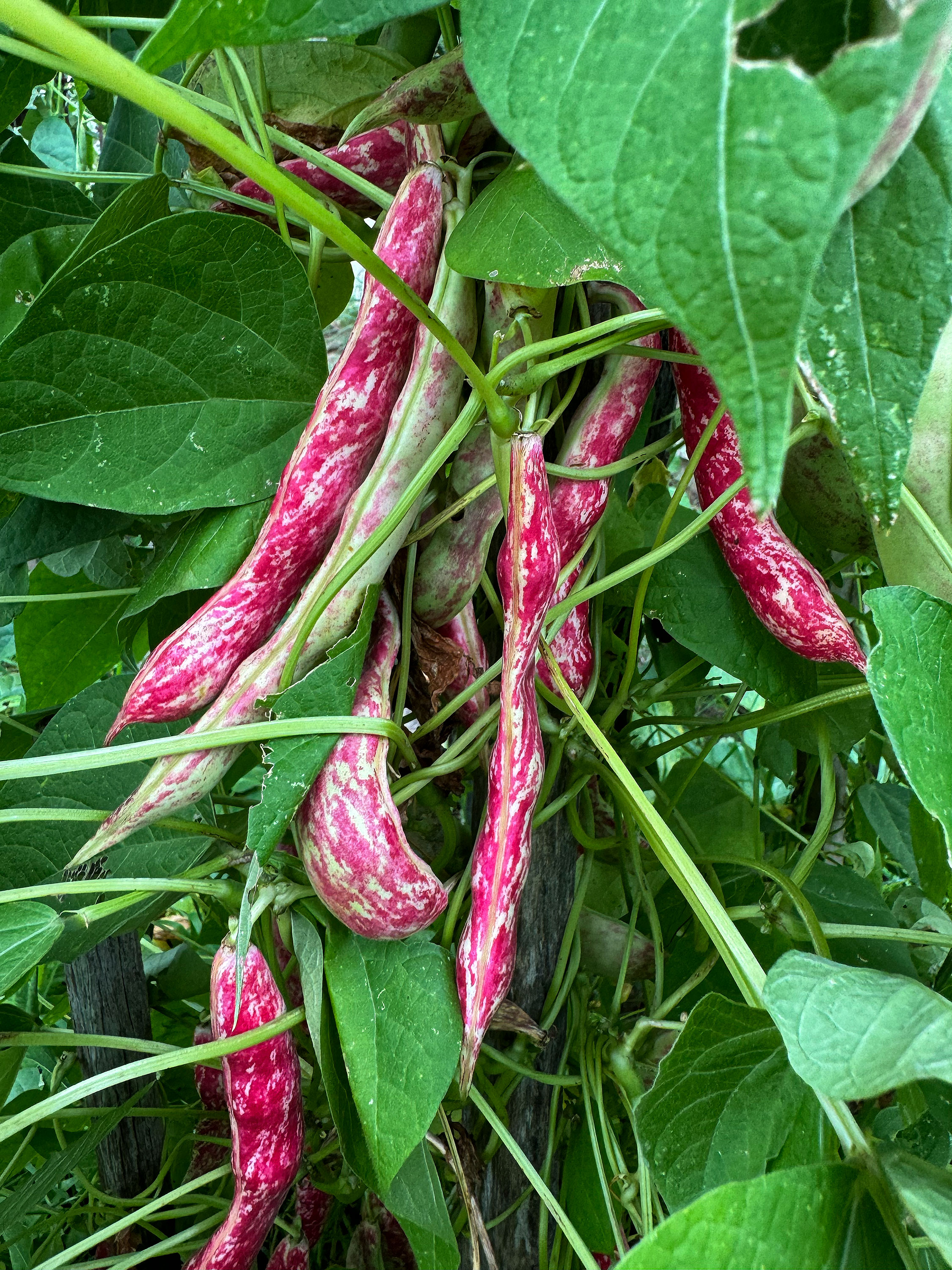
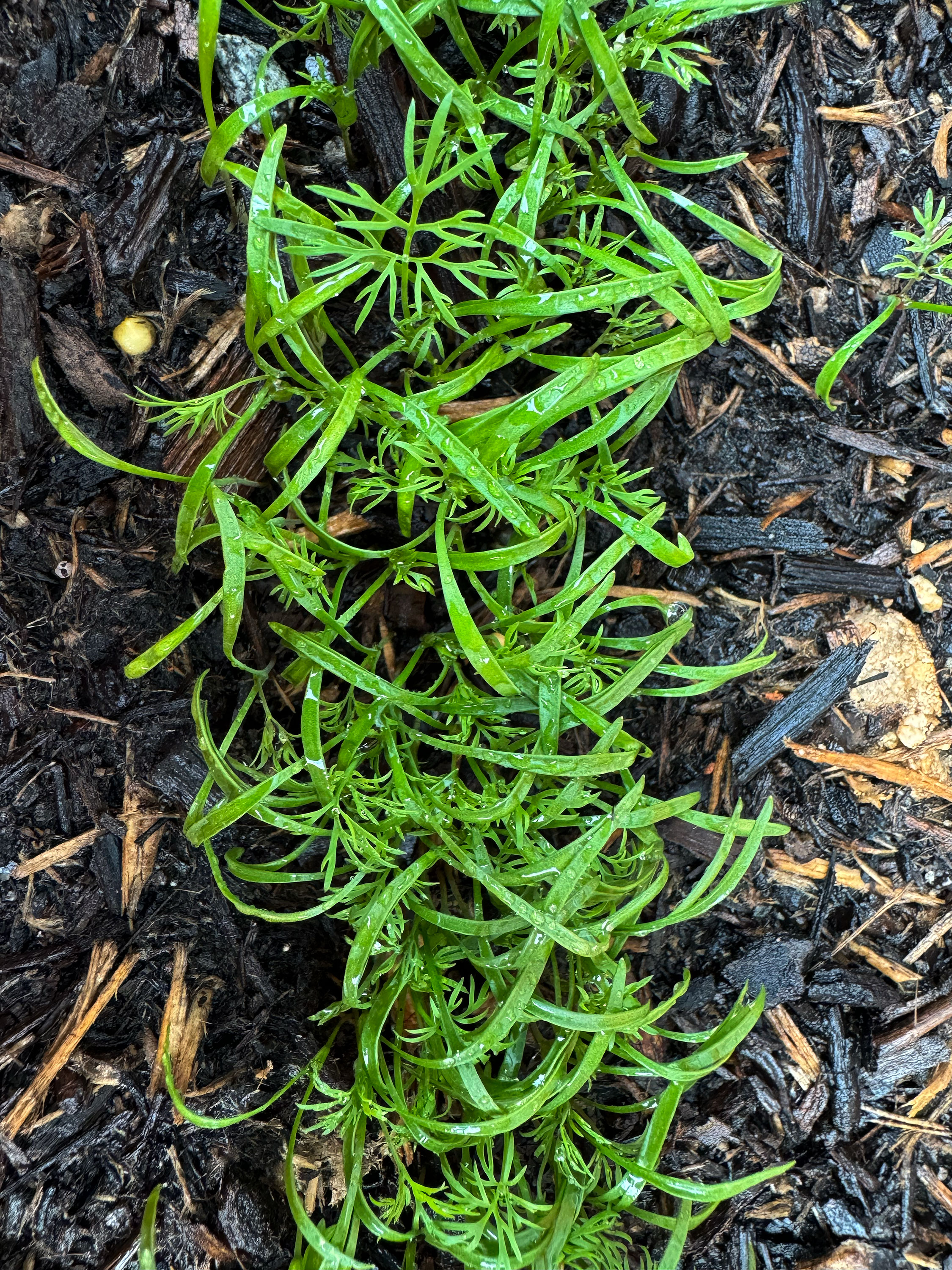
The long slow Autumn weather in the Blue Mountains allows us to enjoy the garden more than any other time. The days are starting to shorten encouraging some plants to finally flower and produce fruits. These shortening days are also hastening the ripening of some vegetables and flowers. We usually have a huge range of activities going on in this long season such as harvesting produce and seed and processing them, along with hoping we get those slow crops to ripen up. And planning and sowing the next crops for the winter time are on our mind. Here are some representative images of these end of summer activities. Straw flowers and Paper Daisies like the Helichrysum, Xerochrysum or Bracteantha are now starting to dry off, fluff up and disperse their seeds into the wind. It’s a good idea to try and pick them before they disappear. They can be planted now to create next years flowering crop. They grow very slowly at first through the winter but accelerate rapidly as soon as it warms up again in spring with the lengthening daylight hours. The indeterminate tomatoes like the small cherry styles will still be producing at full speed – basically until they die from cold damage in the middle of the year. It’s useful to have these varieties in our climate where we sometimes often just don’t get enough warm sunny days to bring the tomato plants to full ripeness. They will produce many kilos of fruit before they finally give up in about June and die and then you are left with an over supply of green tomatoes. There are many other larger indeterminates available too like the’ Peruvian Travellers Tomato’ which are known for having individual segments that break apart easily and self heal so you can keep them in your pocket and eat segments when you like. Harvesting beans is easiest when they fully dry on the vine. BUT once they get to a stage where you can see and feel the beans inside the pods and the pods are starting to thin out and get flexible it’s often desirable to get them off the vines and away from the insects, birds and animals that can destroy them. Also rain and wet periods can devastate a crop of beans with mild or even cause them to germinate in the pods. And it’s time to plant out your winter crops like Dill that need a cooler environment to keep them growing steady without bolting to seed in the heat.
It’s that time again!
This is just a quick reminder that the next scheduled meeting for the year 2023 of the Mid Blue Mountains SeedSavers is on at the Bullaburra Progress Hall this coming weekend.
Sunday 17 March 2024 from 10 am till Midday
Help celebrate the Blue Mountains SUMMER!
For this meeting we will be focussed on the actual mechanics of seeds saving and will be going over some of the actual physical activities involved in processing seeds to extract them and check they are fully ripe and ready to save. So bring along your seed stalks or pods and we can discuss them and what’s required to get them ready to sow or store for the next season. We will have some suitable equipment like various graded sieves available to use and demonstrate.
Come along and talk about growing things with like minded people.
Hope to see you there celebrating the current productive growing season!
The address for the Mid Blue Mountains Seedsavers website is:
https://midbluemountainsseedsavers.org/
We do now have a Facebook page as well:
https://www.facebook.com/Mid-Blue-Mountains-Seed-Savers-1629533990602860/
These regular notifications are sent out directly from the website if you subscribe to that email notification list.
 Mid Blue Mountains Seed Savers